Coral Gables–Future of Miracle Mile

The rewrite of the zoning code might allow for an increase the scale of the unique area through the height of the building and a thereby a change in the nature of the activities there. Miracle Mile is long known throughout the country and quite recently the city, resident and commerce have financed a upgrade in the streets, side walks and parking at considerable cost to the community.

I attach information from a recent newsletter on the rezoning code.

Vice Mayor Vince Lago’s November 2020 Newsletter Zoning Code Rewrite:

Making Changes While Preserving Our History

As we consider proposals to make changes to the Coral Gables Zoning Code, it is important to strategically plan for the long-term development of the downtown area, especially Miracle Mile.

What makes the City of Coral Gables special is its small-town feel and charming streets like Miracle Mile. Although it is important to incorporate thoughtful planning measures to ensure economic longevity, I do not believe that we should compromise the controlled height that makes Miracle Mile so iconic.

Source: Newsletter Vice Mayor Lago.

The City Commission will organize open meeting about the subject of the zoning code changes, and it was been requested that a internet meeting be held to allow participation of the Coral Gable community.

Please check the City of Coral Gables agenda items.
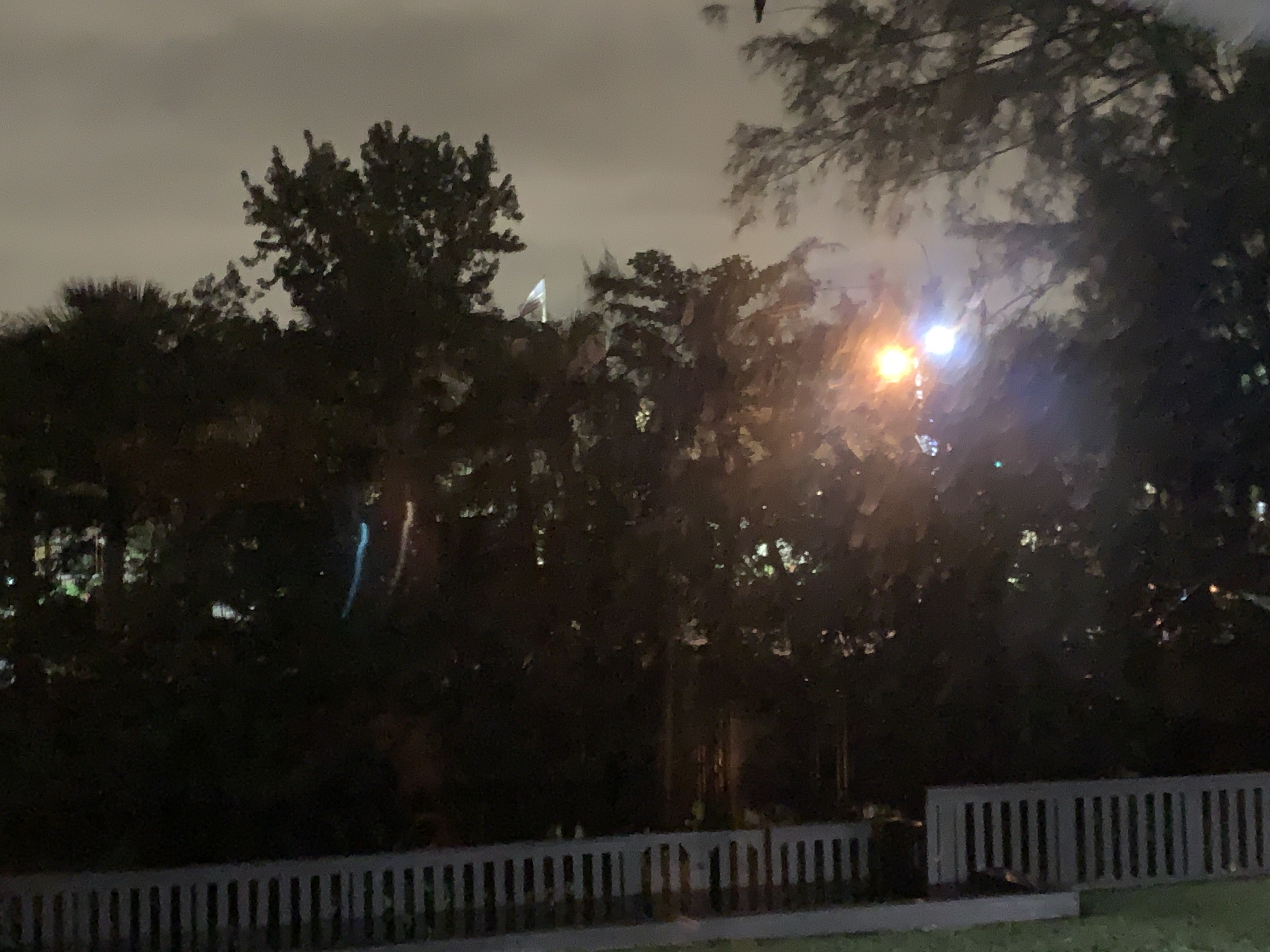
Neighborhood Light Pollution: DOCTORS HOSPITAL VALET PARKING

This is the existing night time light contamination from Doctors Hospital, penetrating through the city-owned valet parking lot and penetrating through a very dense green buffer along the Coral Gables Waterway. The alternation, removal and installation of new landscaping may very significantly increase light contamination to the neighbors. Also, it is not known at this date if the city will allow for additional lighting on the future expanded parking lot after it is sold to Baptist Health, as planned.

Endangered Green Area: Overview

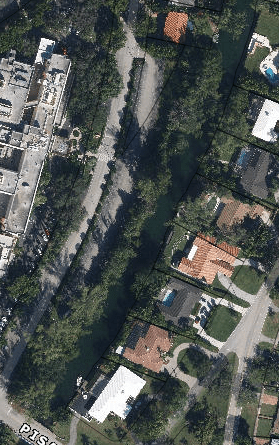
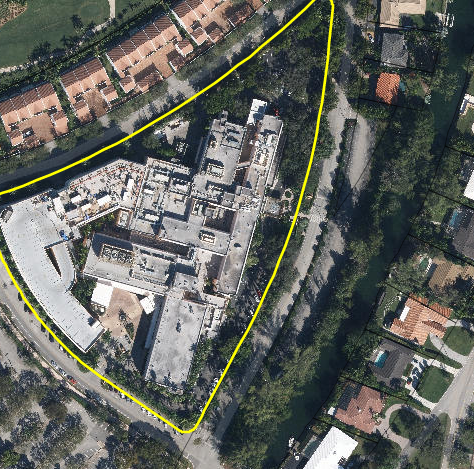
This is a satellite view of the Doctors Hospital (Baptist Health) parking lot leased from the City of Coral Gables showing the lot and the green barrier between the lot and the neighborhood streets (Granada, Carillo, Pisano).

The City of Coral Gables plans the sale of the parking lot and the green area to Baptist Health for an estimated $3.0 million.

The green buffer hides views of the Doctors Hospital building, traffic and parked cars from the area residents and supplies numerous environmental benefits.

It is worrying that Doctors Hospital will re-landscape the area with the subsequent loss of the environment and local property values.

The City of Coral Gables should require that no buildings or other construction (walls) be allowed on the property and that the green buffer be fully retained or significantly improved.

If the City of Coral Gables cannot ensure the permanency of the dense green buffer then the land sale may be questioned.

Why Coral Gables’ Refinancing and Capital Spending Decision Is Not Urgent–What Happened To Community Participation and Consultation?

The city manager of Coral Gables had a few cards up his sleeve, so to say, at the last meeting and he sold the commission on three bad ideas.

First, he said that it is urgent to refinance the city’s debt.  I take it that this is because he believes that interest rates will soon rise.  I guess he believes in that there is inflation at our doorsteps.

The economic facts don’t justify that view in the slightest.  Our economy is growing slower than thought, the Chinese are dampending their growth, Japan is stagnant and Europe, except for Germany, Europe is weak.  Inflation is a recent blip in energy and some materials caused pay political uncertainty in the Middle East.  The Fed has announced that it will continue with its low interest rate policy. There is at least one banker on the commission–he should have known better.

Conclusion:  It is not urgent to refinance without first thinking a bit more about the use of the monies and consulting with the citizenry.

Second, he sold the commission on the idea that the $22 million from the refinancing is free–but it will cost about $35 million.  He says we won’t spend more on debt financing than we are paying now.  That is wrong.  By refinancing existing debt we should spend less, not more.

Conclusion:  Refinancing of existing debt would reduce the amount we pay on the current debt and free up money for other purposes.

Third, the city manager has sold the commission on the idea that he has come up with a good list of capital projects.  But the city manager admitted that he had concocted this list pretty much on his own without community participation, and the new mayor and commissioner apparently did a sort of “shoe leather” test of what we need.  Shouldn’t a new, large spending program be consulted with the taxpayers.

Conclusion: What happened to open government, invited and active consultation and participation–on these terms, the new mayor’s and the commissioners’ campaign promises stand out as pure fiction.